

Key Takeaways
- Hampton Roads homes face increased mold risks in April due to humid spring weather, coastal moisture, and the stack effect pulling contaminated air through houses
- Mold can begin growing within 24-48 hours after water damage, with indoor humidity above 60% creating ideal conditions for dangerous growth
- Common hotspots include crawl spaces, basements, bathrooms, attics, and areas around leaky pipes where moisture lingers undetected
- New Virginia regulations require IICRC certification for mold remediation contractors, with costs ranging from $1,500 to $6,000 depending on severity
- Persistent musty odors and worsening allergy symptoms are critical warning signs that shouldn’t be ignored
Hampton Roads Homes Face Rising Mold Threats
April brings blooming flowers and warmer weather to Hampton Roads, but it also ushers in a hidden danger lurking inside thousands of local homes. This spring, homeowners across Virginia Beach, Norfolk, Chesapeake, and surrounding areas are discovering dangerous mold growth spreading through their properties at an alarming rate. The combination of coastal humidity, spring storms, and common household vulnerabilities creates the perfect storm for mold development that can threaten both property value and family health.
The region’s unique geographic position makes it particularly susceptible to moisture-related problems. Surrounded by water and built on sandy soil with high water tables, Hampton Roads homes face constant challenges from humidity that can reach dangerous levels. When indoor humidity consistently exceeds 60%, mold spores that naturally exist in the air find ideal conditions to multiply rapidly and establish colonies throughout the home.
Mold Removal Hampton has been tracking this seasonal surge in mold cases across the region, noting that many homeowners remain unaware of the extent of contamination until significant damage has already occurred. Their mold prevention guide helps identify key areas to keep an eye on in the home.
Spring Weather Drives Mold Growth
Humid Conditions Accelerate Mold Development
Spring weather creates a dangerous combination of factors that accelerate mold growth throughout Hampton Roads. Warmer temperatures combined with increased rainfall and humidity levels provide the moisture mold needs to thrive. Unlike winter months when heating systems help control indoor humidity, spring’s fluctuating temperatures make it difficult for homeowners to maintain consistent moisture levels inside their homes.
The timing couldn’t be worse for residents dealing with seasonal allergies. Springtime mold growth often coincides with peak pollen season, creating a double burden for those already struggling with respiratory symptoms. This overlap makes it harder for homeowners to recognize when their symptoms stem from indoor mold exposure rather than outdoor allergens.
Coastal Climate Traps Moisture Indoors
Hampton Roads’ humid subtropical climate creates year-round moisture challenges, but spring weather intensifies these problems dramatically. The region’s proximity to the Chesapeake Bay, Atlantic Ocean, and numerous rivers means moisture-laden air constantly surrounds local homes. When this humid air enters buildings through normal ventilation or infiltration, it can condense on cooler surfaces, creating perfect breeding grounds for mold.
Modern energy-efficient homes, while beneficial for utility costs, can inadvertently trap this dangerous moisture inside without adequate ventilation. Tight building envelopes designed to keep conditioned air inside also prevent natural moisture escape, leading to accumulation in hidden areas where mold can establish and spread undetected for months.
Stack Effect Pulls Contaminated Air Through Homes
The stack effect phenomenon poses a particularly serious threat to Hampton Roads homeowners during spring months. This natural process occurs when warm air rises through the home, creating negative pressure that pulls air upward from lower levels. In homes with crawl spaces or basements – common throughout the region – a significant portion of the indoor air can originate from these typically humid, poorly ventilated areas.
When crawl spaces contain moisture from ground seepage, poor drainage, or inadequate vapor barriers, the stack effect essentially functions as a mold distribution system. Contaminated air from moldy crawl spaces gets pulled through wall cavities and into living areas, spreading spores throughout the entire home. This process accelerates during spring when temperature differences between lower and upper levels increase.
Hidden Mold Hotspots in Your Home
1. Crawl Spaces and Basements
Crawl spaces represent the most dangerous mold hotspot in Hampton Roads homes. The region’s sandy soil and high water table create persistent moisture problems in these below-grade areas. Poor ventilation, inadequate vapor barriers, and occasional flooding from spring storms create ideal conditions for extensive mold colonies that often go undetected for years.
Basements face similar challenges, with the added complication of concrete walls that can wick moisture from surrounding soil. Many older homes in Norfolk and Portsmouth feature basements with minimal waterproofing, making them particularly vulnerable during April’s increased rainfall. Signs of basement mold include musty odors, visible discoloration on walls, and white mineral deposits (efflorescence) that indicate ongoing moisture problems.
2. Bathrooms and Attics
Bathrooms generate significant moisture through daily activities, but inadequate ventilation during spring’s humid conditions can overwhelm even well-designed exhaust systems. Mold commonly develops behind tile, around fixtures, and in areas where caulking has failed. The warm, moist environment combined with organic materials like drywall paper creates perfect growing conditions.
Attics present unique challenges during spring months when temperature fluctuations cause condensation on roof decking and insulation. Poor attic ventilation, combined with air leaks from the living space below, can create surprisingly humid conditions even in areas homeowners assume stay dry. Mold in attics often appears as black staining on wood surfaces or as white, fluffy growth on insulation materials.
3. Around Leaky Pipes and Windows
Plumbing leaks provide the sustained moisture mold needs to establish extensive colonies, often in hidden areas behind walls or under flooring. Spring’s freeze-thaw cycles can worsen existing pipe problems, while increased water usage for landscaping and cleaning puts additional stress on aging systems. Even small leaks that seem insignificant can create major mold problems over time.
Windows present multiple mold risks during spring months. Condensation on glass surfaces, failed caulking around frames, and water intrusion during storms all contribute to moisture accumulation. Mold commonly develops on window sills, in surrounding drywall, and behind window trim where moisture can accumulate unnoticed.
Warning Signs You Can’t Ignore
Persistent Musty Odors
A persistent musty, earthy odor represents the most reliable indicator of hidden mold growth, even when no visible signs are present. This distinctive smell results from microbial volatile organic compounds (MVOCs) that mold colonies release as they digest organic materials. The odor often becomes more pronounced during humid weather when mold growth accelerates.
Many homeowners mistakenly attribute musty odors to “old house smell” or dismiss them as temporary issues that will resolve on their own. However, these odors typically indicate established mold colonies that require professional attention. The smell may seem to come and go based on weather conditions, humidity levels, and air circulation patterns, but its persistence signals ongoing contamination that will likely worsen without intervention.
Worsening Allergy Symptoms
Mold exposure can cause various health issues that many residents initially attribute to seasonal allergies or other environmental factors. Symptoms include persistent coughing, wheezing, nasal congestion, throat irritation, and headaches that worsen when spending time indoors. Unlike outdoor allergies that typically improve when windows and doors remain closed, mold-related symptoms often intensify in enclosed spaces.
Children, elderly residents, and individuals with compromised immune systems face particular risks from mold exposure. Symptoms may develop gradually, making it difficult to connect health problems with indoor air quality issues. When multiple family members experience similar respiratory symptoms that don’t respond well to typical allergy treatments, hidden mold should be strongly suspected.
Understanding Mold Remediation in Virginia
Costs Vary Based on Severity
Mold remediation costs in Hampton Roads typically range from $1,500 to $6,000, with severe cases potentially exceeding these amounts significantly. Several factors influence final costs, including the affected square footage, types of materials requiring removal, accessibility of contaminated areas, and extent of structural repairs needed. Small, localized problems in easily accessible areas cost considerably less than extensive contamination affecting multiple rooms or structural components.
The location of mold growth heavily influences remediation complexity and costs. Surface mold on bathroom tiles represents a relatively simple cleanup, while extensive contamination in crawl spaces or within wall cavities requires specialized equipment, containment procedures, and often structural repairs. Hidden mold problems typically cost more to address because they’ve had time to spread extensively before detection.
IICRC Certified Contractors
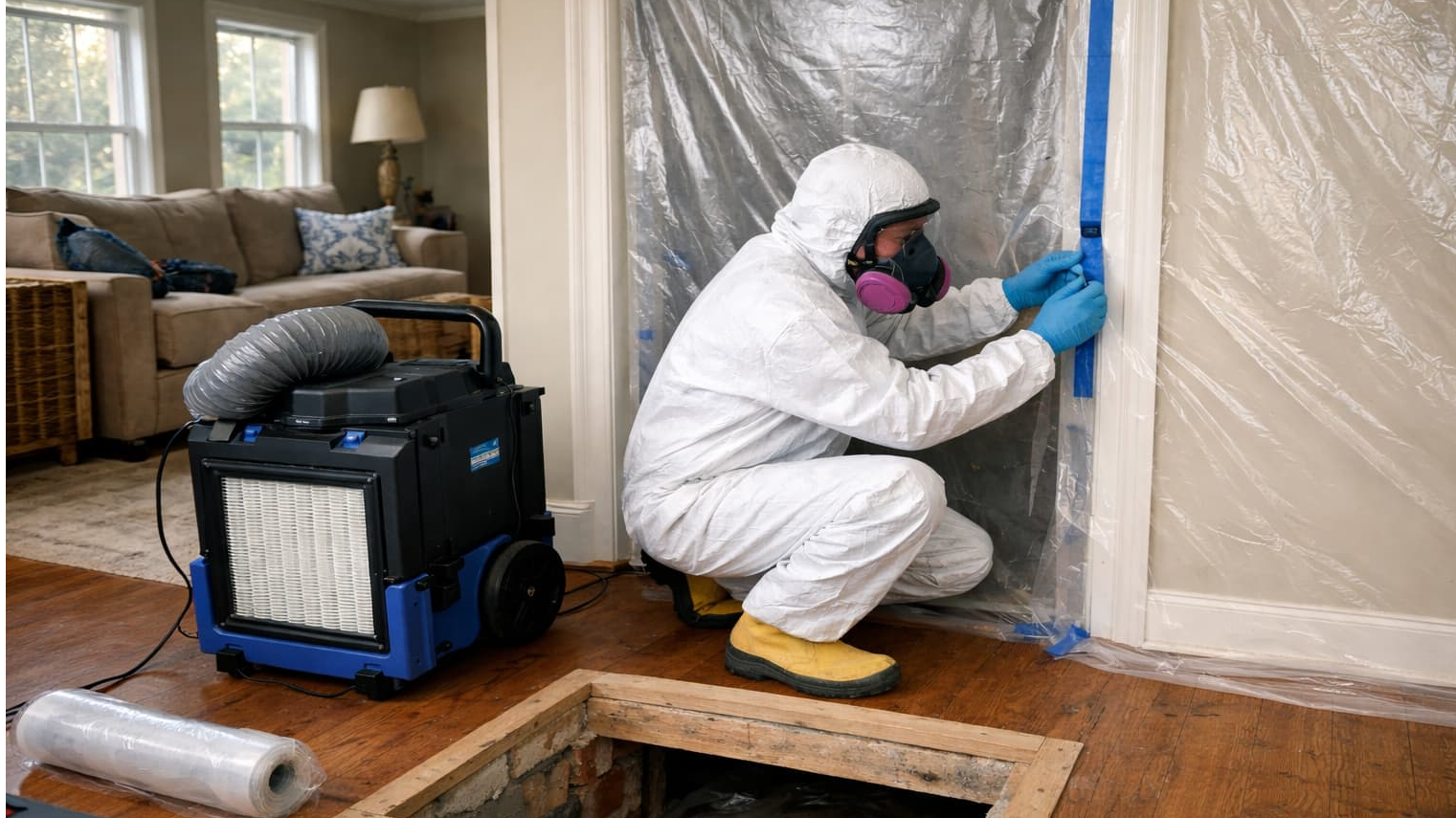
IICRC-certified contractors are trained in critical areas such as proper containment, safe mold removal, moisture control, and effective cleaning protocols. This level of expertise can significantly reduce the risk of cross-contamination or recurring mold issues—common problems when remediation is performed incorrectly.
For homeowners in regions like Hampton Roads, where high humidity and seasonal moisture increase mold risks, choosing a contractor with proven training and experience is essential. Verifying certifications, along with licensing, insurance, and references, can help ensure the job is completed thoroughly and safely the first time.
Act Now Before Mold Spreads Throughout Your Home
Mold problems rarely resolve themselves and typically worsen rapidly once established, especially during Hampton Roads’ humid spring conditions. The longer contamination remains unaddressed, the more extensive and expensive remediation becomes. What starts as a small problem in a bathroom or basement can spread throughout a home’s HVAC system, affecting air quality in every room.
Taking immediate action when mold is suspected protects both property value and family health. Early intervention often allows for less invasive remediation techniques and prevents the need for extensive structural repairs. Waiting until visible growth appears or health symptoms develop means the problem has likely existed for weeks or months, allowing time for significant spread.
Professional assessment provides the most reliable way to determine the extent of contamination and develop appropriate remediation strategies. DIY approaches often fail to address hidden moisture sources or properly contain contaminated materials during removal, potentially spreading spores to clean areas. Professional remediation follows proven protocols designed to eliminate current contamination and prevent future problems.
For expert mold assessment and remediation services that meet Virginia’s new certification standards, contact Mold Removal Hampton to protect your home and family from dangerous mold growth.
Mold Removal Hampton
814 Maxwell Dr
Hampton
Virginia
23661
United States