
Key Takeaways
- Research suggests 86% of restaurants see sales increases after implementing digital signage kiosks and interactive displays
- Self-service kiosks can boost average order values by 20-30% through pressure-free upselling
- Digital menu boards may reduce perceived wait times by up to 35% and drive point-of-sale purchases
- Major restaurant chains have reported significant sales growth tied to digital ordering systems
Modern restaurants face constant pressure to maximize revenue while delivering exceptional customer experiences. Digital signage technology, including self-service kiosks and interactive tabletop kiosks, has emerged as a transformative solution that addresses both challenges simultaneously. From reducing wait times to enabling strategic upselling, these interactive displays are reshaping how restaurants operate and engage with customers.
Why Interactive Digital Signage Is Growing Across Restaurants
The numbers speak volumes about digital signage effectiveness in restaurant environments. Studies show that an overwhelming 86% of restaurants report increased sales after implementing digital displays and kiosks. This remarkable success rate stems from the technology’s ability to improve multiple aspects of the dining experience while creating new revenue opportunities. Digital signage transforms static menu boards into active marketing tools that can instantly highlight promotions, seasonal items, and high-margin offerings based on time of day or customer traffic patterns.
The market itself reflects that momentum. The global hospitality digital menu board segment was valued at around $2.5 billion in 2024 and is projected to reach over $4 billion by 2032. For restaurant operators, that growth isn’t abstract — it signals a broader shift in how dining environments are being designed, and what customers now expect when they walk through the door.
Self-Service Kiosks Drive Higher Average Bills
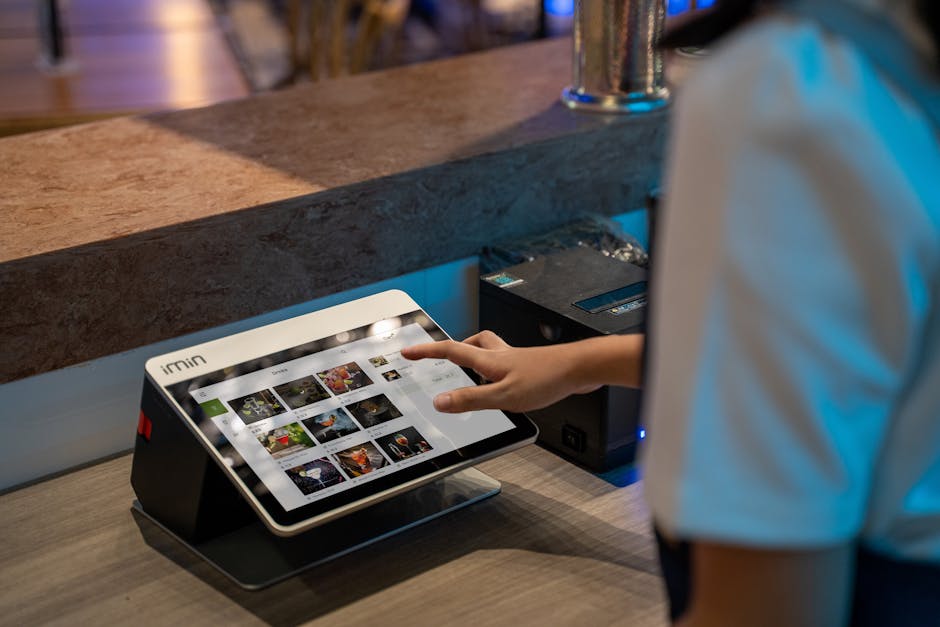
Self-service ordering kiosks consistently deliver impressive financial results for restaurant operators. Research shows these systems can increase average order values by 20-30%, fundamentally changing how customers interact with menu options. Unlike traditional counter ordering, kiosks eliminate the pressure customers feel when deciding in front of staff and other waiting patrons.
The psychology behind this is well-documented. A University of South Florida study found that digital ordering platforms lead to more indulgent food choices and higher overall spending — and that effect isn’t accidental. When customers aren’t being watched by a cashier or rushed by a line behind them, their decision-making changes. McDonald’s, for instance, reported a 30% rise in average order value after introducing kiosks across its locations.
1. Pressure-Free Upselling Increases Order Value
The psychology behind kiosk ordering reveals why these systems generate higher ticket sales. Customers feel comfortable taking their time to browse menu options, add extra toppings, or upgrade meal sizes without feeling rushed or judged. This relaxed decision-making process naturally leads to more thoughtful ordering choices and increased spending. The visual presentation of food items on digital screens also improves appeal, making add-ons and upgrades more enticing than verbal suggestions from cashiers.
2. Adaptive Suggestive Selling Boosts High-Margin Add-Ons 27%
Smart kiosk systems use data-driven, suggestive selling to maximize revenue potential. When customers select certain items, the system automatically presents relevant add-ons or complementary products. Targeted upselling prompts presented during the ordering process can help restaurants improve visibility for add-ons and featured menu items — a pattern that digital signage providers in the hospitality space have increasingly built their systems around.
3. Multiple Ordering Stations Reduce Wait Times 40%
Operational efficiency improves dramatically when restaurants deploy multiple self-service kiosks. These systems can reduce order wait times by up to 40% by allowing several customers to place orders simultaneously. This parallel processing capability eliminates the bottleneck created by single-cashier ordering systems, especially during peak dining periods. Shorter wait times translate directly into improved customer satisfaction and the ability to serve more customers during busy periods.
Digital Menu Boards Transform Customer Experience
Beyond ordering kiosks, digital menu boards revolutionize how restaurants present their offerings to customers. These active displays create more engaging visual experiences compared to static printed menus, while providing operational flexibility that traditional signage cannot match.
Visual Appeal Reduces Perceived Wait Times Up to 35%
The psychological impact of digital menu boards extends beyond simple information display. Visually appealing digital content can reduce perceived wait times by up to 35%, keeping customers engaged while they decide what to order or wait for their food. High-quality food photography, animated menu items, and rotating promotional content capture attention and maintain interest throughout the dining experience. This engagement factor proves particularly valuable during busy periods when actual wait times might be longer.
Active Content Drives Point-of-Sale Purchases
Digital menu boards excel at promoting impulse purchases and limited-time offers. Active marketing displays can increase point-of-sale purchase amounts by nearly 30% through strategic promotion of high-margin items, seasonal specials, and combo deals. The ability to instantly update content allows restaurants to respond to inventory levels, weather conditions, or special events with targeted promotional messaging that drives immediate sales.
Why More Restaurants Are Investing in Digital Kiosks
Consumer preferences strongly support the continued expansion of restaurant kiosk technology. Recent surveys show that 61% of consumers now express a desire for more self-service kiosks in restaurants, representing a nearly 25% increase over just two years. This growing demand stems from customers’ appreciation for the convenience, control, and smoother ordering experience that kiosks provide. Younger demographics particularly favor these technologies, making kiosk implementation vital for restaurants targeting tech-savvy customer segments.
What Customers Actually Expect From Kiosks
Demand for kiosks isn’t just growing — it’s maturing. According to Tillster’s Phygital Index Report, 83% of kiosk users now expect self-service stations to match the full capabilities of a cashier, including loyalty program access, order customization, and payment flexibility. That’s a meaningful shift from early kiosk adoption, where customers were mostly satisfied with basic touch-screen menus.
Customers are also reducing their reliance on third-party ordering apps, meaning more diners are returning to restaurant-specific websites, apps, and in-store kiosks as their preferred channel. For operators, this creates a direct opportunity to own the ordering relationship — and the data that comes with it. Kiosks that integrate with loyalty programs and order history can surface personalized suggestions that feel helpful rather than intrusive, which in turn builds repeat visit habits.
Digital Signage Delivers Proven ROI for Restaurant Operations
The financial case for digital signage implementation becomes clearer when considering the cumulative benefits these systems can provide. Industry reports suggest that restaurants using digital menus may see increases in average order value ranging from 20% to 30%, while operational efficiencies can help reduce labor strain and improve service speed. The technology also allows businesses to update pricing, promotions, and menu items instantly, reducing printing costs while supporting more flexible marketing strategies that can adapt to changing customer preferences and seasonal campaigns.
Nearly 8 out of 10 customers have made an unplanned purchase based on something promoted digitally in a restaurant setting, which points to something beyond ROI calculations. Digital displays don’t just make existing purchases more efficient; they actively shape what people decide to order. For a restaurant running tight margins, that kind of influence at the point of decision is worth more than most line-item cost reductions. Most restaurants that implement the technology see break-even within nine months, driven by increased sales and reduced printing costs.
Beyond the ordering counter, restaurants are increasingly bringing digital displays into table settings and waiting areas — spaces that traditionally had little customer engagement built in. Whether it’s surfacing loyalty programs, promoting limited-time offers, or simply keeping guests occupied between courses, these touchpoints are becoming a natural extension of how modern dining environments are designed.
All The Buzz Media
30 North Gould Street
Sheridan
Wyoming
82801
United States