
Key Takeaways
- Scientific research confirms that regular Bible reading and prayer can significantly reduce anxiety symptoms and racing thoughts
- Christian literature offers targeted approaches for emotional healing through devotionals, practical guides, and faith-centered fiction
- Specific scripture verses can be memorized and practiced as effective anxiety management techniques
- Mental health professionals increasingly integrate Christian counseling methods with evidence-based therapeutic approaches
- Faith-based community resources provide essential support beyond individual reading practices
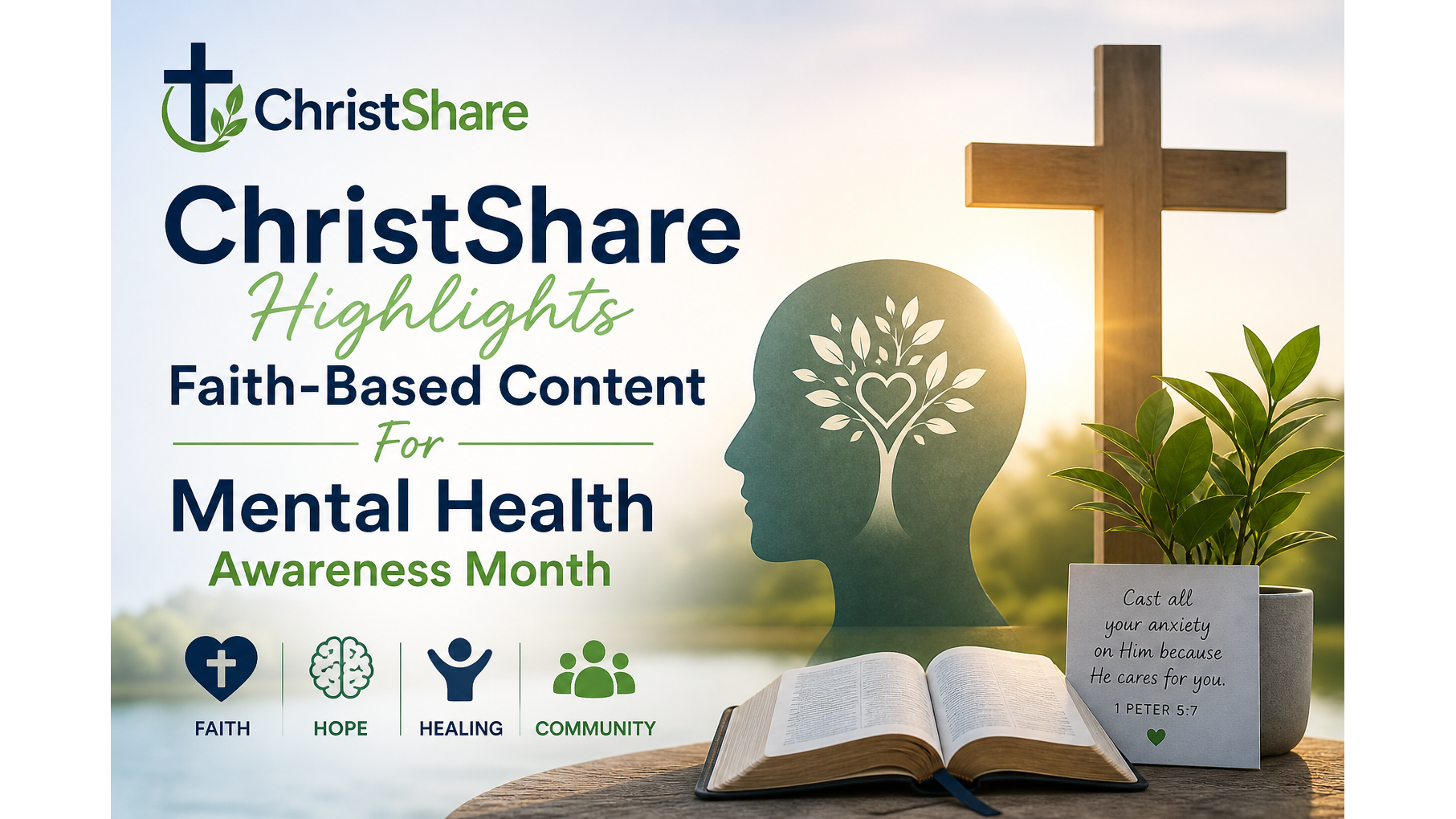
Mental Health Awareness Month’s 2026 theme “More Good Days, Together” emphasizes community support and reducing stigma around mental health challenges. For many seeking anxiety relief, scripture-centered reading offers a powerful combination of spiritual comfort and measurable psychological benefits.
Faith-Based Books Gain Mental Health Focus
Christian literature has evolved beyond traditional devotional reading to address specific mental health challenges. Publishers and faith-based organizations now curate collections that explicitly focus on emotional well-being, anxiety reduction, and spiritual resilience. This shift reflects growing recognition that scripture-engaged reading can serve as both spiritual nourishment and therapeutic practice.
The integration of mental health themes in Christian publishing addresses a critical need in faith communities. Studies show that scripture-engaged young adults experience less anxiety and more hope compared to their Bible-disengaged peers, according to 2024 research findings. ChristShare has expanded its curated collection to highlight Christian books specifically chosen for mental and emotional well-being, featuring titles that blend biblical wisdom with practical guidance for stress, grief, and emotional triggers.
This intentional curation moves beyond general spiritual reading to offer targeted resources for those struggling with anxiety disorders, depression, and emotional trauma. The approach recognizes that faith-based healing often requires specific tools and guided approaches rather than generic religious content.
Science Behind Scripture and Anxiety Relief
1. Research Links Religious Practices to Reduced Anxiety
A systematic review of 32 studies found strong evidence linking religious practices—including faith, prayer, and religious community involvement—to reduced anxiety across both healthy populations and various patient groups. The research demonstrates measurable psychological benefits from consistent spiritual engagement.
Numerous systematic reviews and meta-analyses involving tens of thousands of participants have shown that high religious and spiritual engagement is negatively associated with anxiety and depressive symptoms. The same research revealed positive correlations with life satisfaction and overall psychological well-being, suggesting that faith-based practices offer both preventive and therapeutic mental health benefits.
2. Bible Reading Quiets Racing Thoughts
Scripture reading provides cognitive focus that can interrupt anxiety’s characteristic racing thoughts. When the mind fixates on biblical truth and God’s character, it creates mental space that counters worry patterns and catastrophic thinking. This cognitive redirection serves as a form of mindfulness practice rooted in faith tradition.
The structured nature of biblical text—with its rhythm, repetition, and thematic consistency—offers psychological anchoring during anxiety episodes. Readers report that engaging with familiar passages provides predictable comfort and mental stability when emotions feel chaotic or overwhelming.
3. Daily Prayer Shows Measurable Mental Health Benefits
Research indicates that regular prayer or meditation can significantly improve mental health outcomes. This practice yields measurable reductions in anxiety symptoms and increased emotional regulation capacity.
The consistency of daily prayer practice creates neurological pathways that support emotional resilience. When combined with scripture reading, prayer becomes a complete mental health practice that addresses both immediate anxiety symptoms and long-term psychological well-being.
Christian Literature for Emotional Healing
Devotionals and Practical Guides
Modern Christian devotionals have expanded beyond morning inspiration to include targeted anxiety management techniques. These resources combine biblical teaching with practical exercises like journaling prompts, breathing techniques, and cognitive reframing strategies. Popular titles such as Battlefield of the Mind address specific mental health challenges through scripture-based approaches.
Practical guides offer step-by-step methods for applying biblical principles to anxiety management. These books often include worksheets, reflection questions, and action plans that help readers develop personalized faith-based coping strategies. The integration of psychological insights with spiritual wisdom creates complete healing resources.
Fiction That Addresses Life Struggles
Christian fiction increasingly tackles complex emotional themes, including loss, trauma, family dysfunction, and mental health challenges. These narrative approaches allow readers to process their own struggles through characters who face similar difficulties while maintaining faith perspectives.
Stories that address anxiety, depression, and emotional healing provide both escape and insight. Readers often find comfort in seeing fictional characters navigate mental health challenges with faith as their foundation, offering both hope and practical modeling for their own healing journeys.
Specific Scripture Strategies for Anxiety
1. Targeted Verses for Different Worry Types
The Bible offers specific verses that address different anxiety triggers and worry patterns. Matthew 6:34 specifically targets future-focused anxiety with its instruction to avoid worrying about tomorrow. 2 Timothy 1:7 addresses fear-based thinking by reminding readers that God has given them a spirit of power, love, and a sound mind.
Different worry types require different scriptural approaches. Financial anxiety finds comfort in Philippians 4:19, while verses like Isaiah 41:10 offer comfort for general fears and anxieties. This targeted approach allows readers to build personalized scripture toolkits for their specific anxiety patterns.
2. Memorization and Speaking Techniques
Personal testimonies consistently highlight the power of memorizing and speaking Bible verses aloud during anxious moments. Verses like Philippians 4:6-7 and Psalm 94:19 provide immediate comfort when recited during anxiety episodes. The physical act of speaking scripture engages multiple senses and creates stronger neural pathways than silent reading alone.
Memorization techniques include repetitive reading, writing verses multiple times, and setting scripture to music. These methods create accessible mental resources that remain available during high-anxiety situations when reading might be difficult or impractical.
3. Christ-Centered Grounding Practices
Faith-based grounding practices combine traditional anxiety management techniques with Christian spiritual elements. These might include guided meditation on scripture passages, breath prayers that incorporate biblical phrases, or sensory exercises that focus on God’s creation.
Christ-centered grounding often involves focusing on Jesus’s presence during anxiety episodes. Practitioners visualize Christ’s peace, recall his promises of comfort, or engage in imagined conversations with him. These practices provide both psychological grounding and spiritual connection during distressing moments.
Beyond Individual Reading
Christian Counseling Integration
Professional Christian counseling integrates evidence-based therapeutic techniques like Cognitive Behavioral Therapy (CBT) with Christian spiritual practices, including prayer, scripture study, and meditation. This holistic approach addresses mental health challenges from both psychological and spiritual perspectives.
Licensed Christian counselors often assign specific scripture reading as homework between sessions. They help clients identify biblical truths that counter anxious thoughts and develop personalized spiritual disciplines that support ongoing mental health. This integration ensures that faith-based healing complements rather than replaces professional treatment.
Community Support Resources
Organizations like the Mental Health Grace Alliance offer free Christian mental health recovery workbooks and support groups that blend biblical truth with science-based care. These resources aim to reduce symptoms, build resilience, and renew faith for individuals and families facing mental health challenges.
Church-based support groups provide an ongoing community for those using scripture-centered approaches to anxiety management. These groups offer accountability, shared learning, and practical encouragement as members apply biblical principles to their mental health journeys. The combination of professional resources and community support creates complete care networks.
ChristShare Curates Hope-Centered Collection
During Mental Health Awareness Month, ChristShare has positioned its curated collection of Christian books and fiction around mental and emotional healing themes. The platform’s “Personal Growth” focus includes carefully selected titles addressing grief, stress, emotional triggers, and spiritual resilience rather than offering an unrestricted catalog.
The company’s approach frames these resources as faith-based tools for readers seeking hope, emotional resilience, and biblically grounded support. Their collection includes devotionals, practical guides, guided journals, and fiction titles that reflect themes of loss, memory, family struggles, and emotional healing. This curation recognizes that effective Christian mental health resources require intentional selection and expert guidance.
Visit ChristShare’s curated collection of faith-based books designed to support mental and emotional well-being at ChristShare.com.
Ink Marks the Spot LLC dba ChristShare
2040 Hiersche Road
Faribault
Minnesota
55021
United States